
Session 1, Read and notice: Returning to help others
Week 27 big question: How did knowing things and being brave help people?
Start with a story (optional) The Little Plant — Read it hereLook closely at one plant and meet the bees, ants and worms that live there.
Tubman was born enslaved, but she had the right to be free.
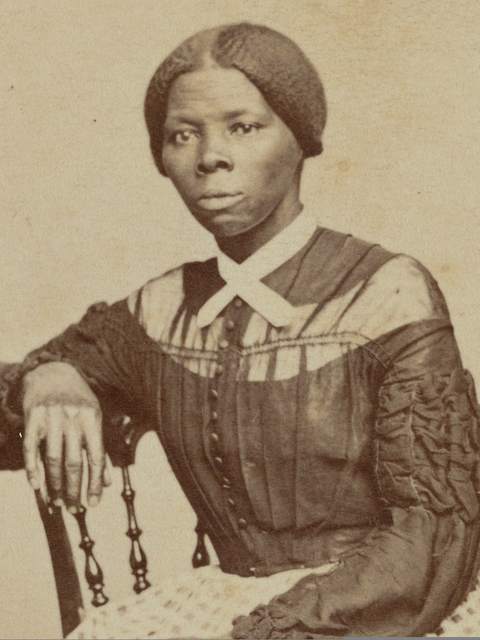
Harriet Tubman reached freedom, then chose to help others reach it. She was born enslaved in Maryland around 1822, under the unjust system of slavery. People claimed to own others, denied their freedom, and forced them to work. Yet enslaved people had families, skills, hopes, and the right to be free. Laws denied that right, but those laws could not make slavery fair. As Tubman grew, she learned about woods, waterways, and travel on Maryland’s Eastern Shore.
After she was free, Tubman went back to help others.
In 1849, Tubman escaped to freedom in Pennsylvania, but she did not stop there. She went back to guide family members and others toward freedom. People who study her life think she made about 13 trips back. They think she guided about 70 people herself. Others helped along the way. Some gave shelter or supplies, while others shared news or helped with travel. Help came through a network of people and places linked to each other. This was the Underground Railroad, not a train under the ground.
Lots of people worked to end slavery, not just her.
Tubman’s choices changed lives, but she did not work alone. Many enslaved people resisted, while others worked to end slavery. No one person could do it all. Later, Tubman worked for women’s right to vote and cared for older people. You can follow her story on a map and a timeline. Along the way, remember the helpers whose names you may never know.
Show what you notice
- What did Tubman do once she was free in 1849?
- Why is it wrong to say “Tubman did it all alone”?
Answer your waypointact it outtell or dictatewrite