Story time optional

Picture books you can read together on this site.

From the library

Free with a library card. Availability varies.

Wangari's Trees of Peace: A True Story from Africaby Jeanette WinterBorrow in LibbyThe Tiny Seedby Eric CarleBorrow in LibbyBorrow in HooplaWatch a read-aloud · World of Eric Carle

Standards this week

The same codes and I Can statements as the printed books.

Books by grade

Grade 1

Social Studies

Not in the Grade 1 Social Studies book this week.

Science

Not in the Grade 1 Science book this week.

Grade 2

  • 2.5I can explain how people in the distant and recent past helped change other lives.
  • 2-LS2-1I can test plants’ needs for light and water using controlled comparisons.
Grade 2 Social Studies book, p. 96–97
In your book

Session 1, Read and notice: Trees and people together

Week 28 big question: How can listening help a group choose what to do?

Start with a story (optional) A Tiny Seed: The Story of Wangari Maathai — Read it hereWangari Maathai helps women in Kenya plant trees, one tiny seed at a time.

Maathai heard women tell of problems where they lived.

Finding firewood took longer, and streams were drying in Kenya. When women told Wangari Maathai about these problems, she listened. She lived in Kenya, in eastern Africa. Families there needed steady food and money, too. What could help? First, people needed to learn what helped make the problems happen. Each problem could have more than one cause. Maathai explained this in her Nobel speech. She named land damage and changes in farming among the causes.

In 1977, a group began to plant trees and care for them.

In 1977, Maathai started the Green Belt Movement. She worked with the National Council of Women of Kenya. In this movement, people worked together for change. They planted trees and cared for the land. Their work went on after planting, because each young tree still needed care. It took materials and time, and people shared what they knew as they worked. Along with this work, Maathai spoke up for people’s rights and public places.

Many people did the work, not just Maathai.

In 2004, Maathai won the Nobel Peace Prize. Her work linked land care, democracy, and peace. In a democracy, people choose their leaders, and Maathai worked for people’s rights. Her speech thanked many people and groups whose help made the work possible. Thousands of helpful acts came from people whose names we may never know. Tubman’s journeys were in the 1800s, while Maathai’s work is from the recent past. In different times and places, both acted with others when they saw unfair conditions.

Sources for this reading
Look and think

Show what you notice

  1. What needs did Maathai hear about before the movement began?
  2. Name two causes or needs. Then name two effects or actions in this story.

Answer your waypointact it outtell or dictatewrite

Grade 2 Science book, p. 102–104
In your book

Session 2, Investigate: A seedling needs more than a plan

Change one condition at a time to learn what plants need.

A seedling grows tall in the dark, but is it growing well? This young plant may grow pale as it uses up its stored food. It needs water and light, so height gives us just one clue. Its leaves, color, and firmness can tell us more about how it grows. Even a pot without added water may still hold damp soil. With that water, a plant may go days with little change. To learn what matters, we change one condition, or part of a test’s setup. In our test, we change either light or added water. We keep the other the same. Next time you check a plant, look beyond its height. What else can you notice?

Set up the test

Gather three similar established bean seedlings · matching pots with equal soil · water measure · ventilated dark cupboard · ruler · observation paper · bright window with indirect sunlight

Safety Do not taste plants or soil. An adult chooses a safe cupboard. Stop water withholding if severe wilting appears. Restore normal light and water after the test.

  1. Label three matching seedlings A, B, and C. Record each one’s height, leaves, color, and firmness.Adult: Use one kind of seedling in matching pots, with the same soil, wetness, plant size, and warmth.
  2. A: sun and water. B: sun, no added water. C: dark and water. Make a guess.Adult: Give A and C the same measured water, just enough to dampen the soil.
  3. Look each day for five to seven days. Record changes with photos, words, or drawings.Adult: Check C quickly, then put it back in the dark.
  4. Compare A with B, then A with C. Does each need show, or is it unclear?Adult: Use every record, even “no change.”

Try the model

A model to try after your real test.

Getting the model ready…

Grade 2 Social Studies book, p. 98Grade 2 Science book, p. 105

Session 3: Record and make — Listening before planting

My test record · A seedling needs more than a plan

1Date or try
2Date or try
3Date or try

What really happened

Keep the daily dated log on the plant data record, p. 237.

Fill this in on your workbook page.

Listening before planting

People in Kenya planted trees to help the land. You will plan care for one plant, but a small test can’t explain all of Kenya.

  1. Find Kenya on a map. Put 1977 and 2004 in order. Compare when and where Maathai and Tubman acted.
  2. Name one good thing about planting trees. What did it cost in time, materials, and care?
  3. Pick a plant-care problem, like a dark corner. Use your plant records and this reading to choose a fix.Adult: Records from Weeks 9–12 also count. The child asks before moving a real plant or changing its care.

Connect the ideas. A good plan listens to people. It also looks at living things. Why do we need both?

Look closely

Tap a picture to make it big. Zoom in and find the clues.

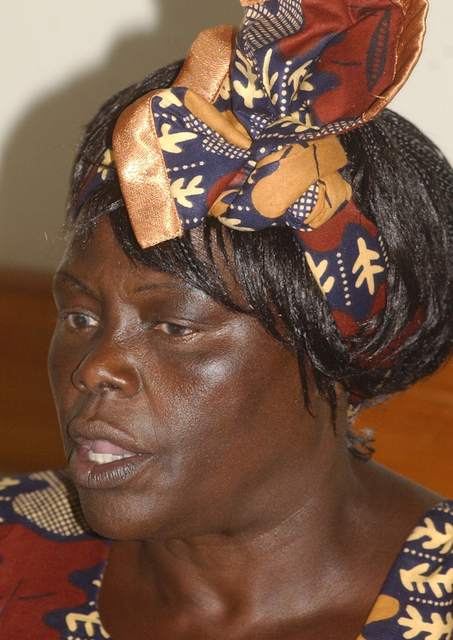
PhotographWangari Maathai, 2006.Antônio Cruz / Agência Brasil · CC BY 3.0 BR

Field trip

Visit with a grown-up. These open other websites in a new tab.

Sources behind this trip and reading

Grade 2 Social Studies book, p. 99Grade 2 Science book, p. 106

My evidence page: Needs, actions, evidence

Show two needs that led people to act. Then use your records to tell how to care for a plant. Mark what you still need to learn.

  • 1Community needs and actions
  • 2My plant-care recommendation

3Choose and explain · Checkpoint game

Listen, then choose. Finish the game to earn this week’s stamp.

The game needs JavaScript turned on.

For the adult · what each grade shows

Grade 1

Show a need, an action people took, and a plant-care choice backed by what you saw.

Grade 2

Explain your plant-care choice using your seedling records and the reading.

Showing the Grade 1 line for your book.

Showing the Grade 2 line for your book.

Take a photo of the evidence page or the test. Add your child’s own words. It stays on this device.

Add to my portfolio

Parent corner

How to run this week, in a few minutes.

At a glance

Time

From the workbook: Read and notice about 20 min · Investigate 20–30 min, plus short checks · Record and make 20–30 min.

Core

Tell what needs led to the Green Belt Movement, and run the three-seedling test.

Materials
  • three similar established bean seedlings
  • matching pots with equal soil
  • water measure
  • ventilated dark cupboard
  • ruler
  • observation paper
  • bright window with indirect sunlight
Safety

Do not taste plants or soil. An adult chooses a safe cupboard. Stop water withholding if severe wilting appears. Restore normal light and water after the test.

Short week

Read together, then do Investigate steps 1–4 and the evidence page. If you skip the Tubman/Maathai comparison and historical trade-off, note it as “not yet” for your teacher.

Next week

Finish observations next week if needed. Award plant-investigation evidence only after actual comparisons are recorded.

Library books

  • Wangari's Trees of Peace: A True Story from Africa by Jeanette Winter. A picture-book biography of Wangari Maathai planting trees.
  • The Tiny Seed by Eric Carle. Follows a seed's journey and what it needs to become a flower.
Answer key (for grown-ups)

Talk together

  1. What needs did Maathai hear about before the movement began?
    Women reported drying streams, longer firewood searches, and insecure food and income. Maathai listened before organizing action; do not imply all Kenyan people had identical lives.
  2. Name two causes or needs. Then name two effects or actions in this story.
    Land damage and farming changes contributed to difficulties. Responses included community tree planting, organizing, and advocacy. Environmental and civic effects involved many participants, not one person acting alone.

What to expect in the investigation

Lighted, watered seedlings usually maintain healthier growth. Dark seedlings may lengthen but pale; unwatered pots may retain moisture, delaying differences. Record inconclusive outcomes. Five to seven days is a modest comparison, not proof about every plant species. Record leaf color, firmness, new leaves, and height, not height alone.

Checkpoint question

Choice A isolates light. Reteach by identifying what stays the same in A and C.

Kindergarten this weekSocial Studies: Homes, school and travel then and nowScience: Plant in a suitable place