Story time optional

Picture books you can read together on this site.

From the library

Free with a library card. Availability varies.

Ox-Cart Manby Donald HallBorrow in LibbyBorrow in HooplaWhat Is the World Made Of? All About Solids, Liquids, and Gasesby Kathleen Weidner ZoehfeldBorrow in LibbyBorrow in Hoopla

Standards this week

The same codes and I Can statements as the printed books.

Books by grade

Grade 1

  • 1.6I can use examples of supply, demand, goods, services, wants and needs.

Science

Not in the Grade 1 Science book this week.

Grade 2

  • 2.4I can use economic reasoning and explain the learner’s role in the economy.
  • 2-PSI-1I can observe and classify materials by properties.
Grade 1 Social Studies book, p. 52–53Grade 2 Social Studies book, p. 52–53
In your book

Session 1, Read and notice: A basket of choices

Week 13 big question: How do people choose what to use?

Start with a story (optional) My Red T-shirt — Read it hereAman loves his old red T-shirt, holes and all, but Ma wants it gone.

People need some things and want other things.

Imagine packing a picnic basket with a family by the door. They need water and food, but they also want a new kite. Food and water meet needs, things people must have to live and be well. The kite is a want, something they would like to have. Yet one person may need glasses or a wheelchair while another does not. So we ask what someone needs, because a guess could be wrong.

Goods are things we use, and services are help we get.

The family has sandwiches, but how will they reach the park? People make or grow goods for others to use, such as bread and coats. They also do helpful jobs called services, such as fixing a bike. So the sandwiches are goods. A bus ride to the park is a service. Whether helpful work is paid or unpaid, it can meet people’s needs.

When there is not enough for all, we must choose.

Now stop at a pretend stand with three baskets for sale. Each costs one token, and those three baskets are its supply at that price. Five shoppers each want a basket and have a token to pay. This wanting to buy and being able to pay is called demand. With more buyers than baskets, someone must make another choice. Could a shopper wait, choose something else or help plan more baskets?

Look and think

Show what you notice

  1. Name a picnic need and a want. Name a good and a service.
  2. How do you know the stand can’t serve all five shoppers at once?

Answer your waypointact it outtell or dictatewrite

Grade 2 Science book, p. 60–62
In your book

Session 2, Investigate: Look closely at materials

A property is a thing you can see or feel.

How can one cloth belong in two different groups? It can be blue, soft, rough and flexible all at once. Each feature we can observe is a property of its material. You can see its color, while its texture tells how the surface feels. Its hardness tells how well it stands up to pressing or scratching. If it bends without breaking, you can call it flexible. In your sorts, group objects by bending. Then sort by another property to see which objects move. The cloth has not changed, but your rule for grouping has. Next time you pick up a blanket, notice more than its color.

Set up the test

Gather cloth scrap · paper · cardboard · plastic spoon · sponge · paper and drawing tools

Safety Use clean, blunt objects. Bend gently; do not scratch skin, snap objects, or taste materials.

  1. Put the five objects on a table. Predict two that will bend easily.Adult: The child may look, touch gently, or tell you where to touch.
  2. Look at color, texture and hardness. Press and bend each one gently, the same way.
  3. Sort by how flexible things are. Then sort again by another property.Adult: Write down the child’s words, or keep a drawing of both sorts.
  4. Tell why one object moved to a new group.

Try the model

A model to try after your real test.

Getting the model ready…

Grade 1 Social Studies book, p. 54Grade 2 Social Studies book, p. 54Grade 2 Science book, p. 63

Session 3: Record and make — Pack and explain

Pack and explain

Draw a plan for a picnic. It is just pretend, so you buy nothing.

  1. Draw water, food, a kite, a basket and a bus ride. Sort them: needs and wants. Then sort again: goods and services.
  2. Use three paper baskets and five paper shoppers. Each shopper has one token. Show the supply and the demand.
  3. Pick a material you tested for a picnic thing. Make a label that names its useful property.

Connect the ideas. Think about what a material is like. How can that help you pick a good that works?

Look closely

Tap a picture to make it big. Zoom in and find the clues.

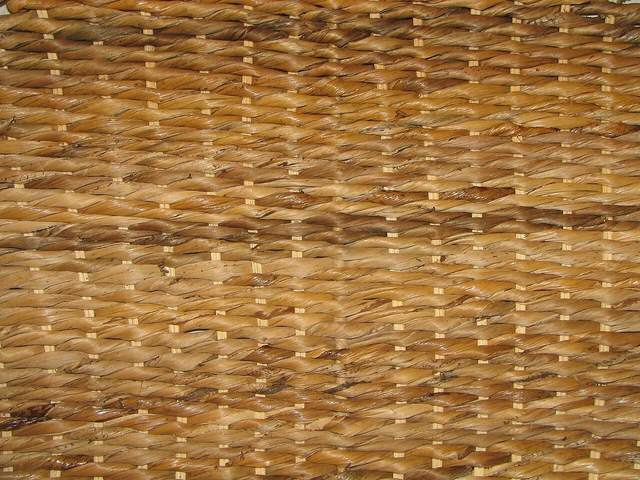
PhotographWoven basketworkTitus Tscharntke · Public domain
PhotographWoolly fabricM0tty · CC BY-SA 3.0
PhotographSixteen kinds of woodAnonimski · CC0

Field trip

Visit with a grown-up. These open other websites in a new tab.

Grade 1 Social Studies book, p. 55Grade 2 Social Studies book, p. 55

My evidence page: My choices and my evidence

Sort the picnic needs and wants. Then show why five shoppers can’t all get a basket. Your sort of materials is on your record.

  • 1Our needs and wants
  • 2Three baskets for five shoppers

3Choose and explain · Checkpoint game

Listen, then choose. Finish the game to earn this week’s stamp.

The game needs JavaScript turned on.

For the adult · what each grade shows

Grade 1

Show a need, a want, a good and a service, and sort the materials two ways.

Grade 2

Explain one picnic choice you made and what you gave up.

Showing the Grade 1 line for your book.

Showing the Grade 2 line for your book.

Take a photo of the evidence page or the test. Add your child’s own words. It stays on this device.

Add to my portfolio

Parent corner

How to run this week, in a few minutes.

At a glance

Time

From the workbook: Read and notice about 20 min · Investigate 20–30 min, plus short checks · Record and make 20–30 min.

Core

Tell needs from wants and goods from services, and make two separate sorts, using a different property each time.

Materials
  • cloth scrap
  • paper
  • cardboard
  • plastic spoon
  • sponge
  • paper and drawing tools
Safety

Use clean, blunt objects. Bend gently; do not scratch skin, snap objects, or taste materials.

Short week

Read paragraphs 1–2, then do Investigate steps 1–3 and the evidence page.

Next week

Ask which item could be borrowed or reused. Do not connect a family’s purchases with personal worth.

Library books

  • Ox-Cart Man by Donald Hall. A farm family grows, makes and trades goods through the year.
  • What Is the World Made Of? All About Solids, Liquids, and Gases by Kathleen Weidner Zoehfeld. Describes materials by their properties, which kids can observe closely.
Answer key (for grown-ups)

Talk together

  1. Name a picnic need and a want. Name a good and a service.
    Water and food are needs; a new kite is a want in this scenario. Bread is a good; a bus ride is a service. Respect individual needs.
  2. How do you know the stand can’t serve all five shoppers at once?
    There are three baskets and five willing, able buyers at the stated price: two shoppers cannot buy a basket immediately.

What to expect in the investigation

Paper and cloth usually bend more easily than a plastic spoon. Coatings, thickness, and object shape affect observations. Accept carefully supported classifications. Soft does not always mean flexible; color alone does not tell whether something bends. One cloth may be blue, soft, rough and flexible. Sorting by color and sorting by bending give different groups; neither sort is wrong if the child names the property used and shows what they saw.

Checkpoint question

Bicycle repair is a service because someone performs helpful work. Reteach the difference between an object and an action if needed.

Kindergarten this weekSocial Studies: Traffic symbolsScience: Push or pull?