

Session 1, Read and notice: Learning what a practice means
Week 11 big question: How can we compare but not say all of us are the same?
Start with a story (optional) We Are All Nepali — Read it hereAt a school fair, Aliza meets friends who share their languages and festivals.
Customs and beliefs are parts of culture.
Think of something your family does again and again together. It may be a tradition, a practice people pass along. A tradition can change over time. Their customs are usual ways of doing things. Their social practices are ways they act together. People may also share a belief, an idea they hold true or think matters. When they join a ceremony, they take part in a special planned event. The event has meaning for them.
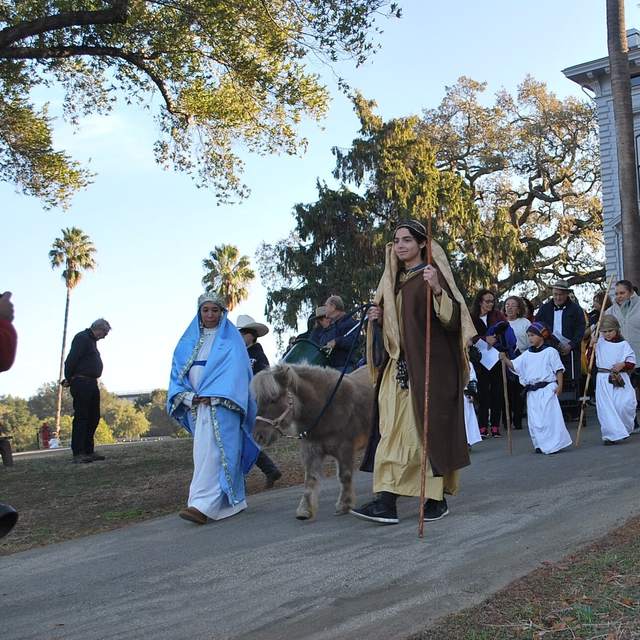
At Las Posadas, people welcome travelers, as in the Christmas story.
Las Posadas is a Christmas tradition from Mexico that many Mexican American families keep. Its name means “inns,” and people walk together for nine nights before Christmas. They often hold candles as they act out the Bible story. It tells of Mary and Joseph looking for a place to stay. At the first doors, people inside sing back that there is no room. They sing “Come in!” at the last door, and everyone shares food, like tamales. Sometimes there is a piñata, too.
On St. Lucia Day, candles bring light in the dark.
In Sweden, and in many Swedish American churches and families, December 13 is St. Lucia Day. Lucia was a Christian woman who lived long ago. Stories say she brought food to people in need. Early that morning, one girl dresses as Lucia. She wears a white gown with a red sash. She wears a crown of candles, though today they are often battery lights. Others follow her, singing and carrying candles, and they share saffron buns. In Sweden’s dark winter, the warm light feels like hope.
We ask with respect and do not judge.
Both traditions come before Christmas, with songs, candles and shared food. But each one has its own story and customs. Even in one culture, families do not all do the same thing. So we ask what a tradition means to the people who keep it. One person cannot speak for all, but each has a story to share.
Sources for this reading
- Smithsonian · Las Posadas — The name means inns; nine evenings recall Mary and Joseph seeking shelter, with singing and a feast.
- Sweden.se · Lucia in Sweden — December 13, Lucia processions, white gowns, candles, songs and saffron buns.
- American Swedish Historical Museum · Lucia Fest — A specific Swedish American community celebration; families do not all participate alike.
Grade 1 · Source card · Optional
Remembering at Obon
Many Japanese American Buddhist temples hold Obon. People meet to remember loved ones who have died. They may dance Bon Odori, share food, and help. The San Jose Buddhist Church Betsuin holds an Obon festival. This is one community’s living tradition. Families may take part in different ways. We can learn what Obon means to people. We do not all have to share the same beliefs.
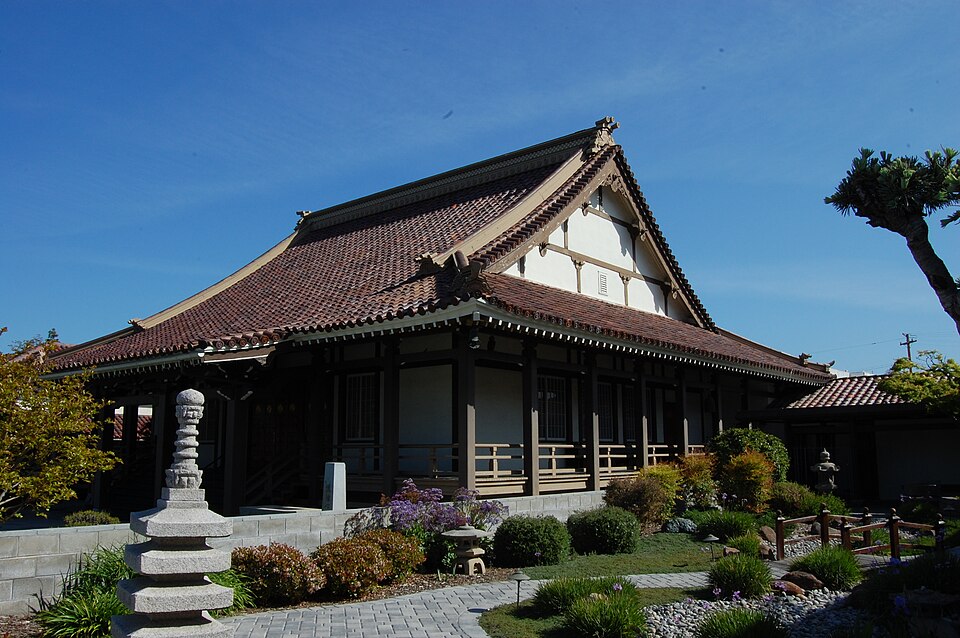
San Jose Buddhist Church Betsuin. Photo: Eugene Zelenko, CC BY-SA 4.0 (https://creativecommons.org/licenses/by-sa/4.0/), via Wikimedia Commons. Source thumbnail; no further changes.
Image source · CC BY-SA 4.0
One way people take part in Obon. Draw or tell one way people may take part. Name the source that tells you.
Sources for this card
Show what you notice
- How are Las Posadas and St. Lucia Day the same? How are they not?
- One family does a thing. Can that tell us what all families in a culture do? Why not?
Answer your waypointact it outtell or dictatewrite