

Session 1, Read and notice: Different places with shared needs
Week 4 big question: How is land used, and what lives there?
Start with a story (optional) The Little Plant — Read it hereLook closely at one plant and meet the bees, ants and worms that live there.
Places can be urban, suburban, or rural.
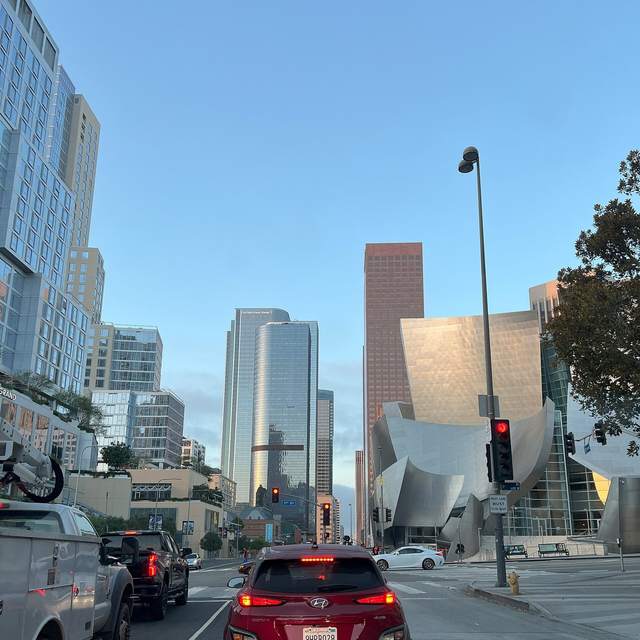
Picture a trip past California city blocks and scattered homes. A city area is urban, while areas around a city are suburban. In rural places, fewer people live among spread-out homes, farms, forests, or open land. These words help you spot patterns on a map. But they cannot tell you about every home or person you meet.
Each kind of place has a mix of things.
In a city, you may pass apartments and shops standing close together. Around a city, homes, schools, stores, and parks may spread out. Farther along, farms or open land may lie between rural towns. Does that mean everyone there works on a farm? People in rural places also work in shops, schools, and clinics. Each kind of place has a mix. Cities can have gardens, and suburbs can have tall apartments.
People use land for homes, work, travel, and play.
Wherever they live, people need homes and places to work, travel, and play. These are all kinds of land use, or ways people use land. The amount of land used in each way can differ. Natural features help shape a place, too. These include rivers, coasts, hills, and valleys. A natural area can be a habitat where a living thing meets its needs. Your map can show these places beside things people made.
Show what you notice
- Name one land use you can find in all three kinds of places.
- Is “All rural people are farmers” true? Why not?
Answer your waypointact it outtell or dictatewrite