Story time optional

Picture books you can read together on this site.

From the library

Free with a library card. Availability varies.

Grace for Presidentby Kelly DiPucchioBorrow in LibbyBorrow in HooplaThe Boy Who Harnessed the Wind: Picture Book Editionby William Kamkwamba and Bryan MealerBorrow in Libby

Standards this week

The same codes and I Can statements as the printed books.

Books by grade

Grade 1

  • 1.1.1I can distinguish direct and representative rule making with examples.
  • K-2-ETS1-1I can define a simple real problem, gather information and explain a proposed solution.
  • K-2-ETS1-2I can draw a design and explain how its shape helps it work.
  • K-2-ETS1-3I can test two solutions to the same problem and compare strengths and weaknesses.
  • 1-LS1-1I can create a human-use design inspired by a plant or animal external part.

Grade 2

  • 2.3.2I can describe how groups and nations cooperate on shared problems.
  • K-2-ETS1-1I can define a simple real problem, gather information and explain a proposed solution.
  • K-2-ETS1-2I can draw a design and explain how its shape helps it work.
  • K-2-ETS1-3I can test two solutions to the same problem and compare strengths and weaknesses.
Grade 1 Social Studies book, p. 119–120Grade 2 Social Studies book, p. 124–125
In your book

Session 1, Read and notice: Two ways to make a rule

Week 35 big question: How can we pick a design in a fair way? How can evidence help us make it better?

Start with a story (optional) Anna's Extraordinary Experiments with Weather — Read it hereAnna Mani loves books and grows up to build tools that measure the weather.

Hear what each person needs before you vote.

Down slips another label in our museum team’s display. Meanwhile, a helper needs a clear signal when a model is ready to move. Each person has an idea for a fix they would like. One wants a taller stand, while another wants a quieter signal. Should they vote right away, or stop to hear what everyone needs?

A good fix should not make a bigger problem.

First, the group hears the helper’s story and watches what happens. With these two sources, the team can compare benefits and costs. There is only so much card. A stand that uses it all leaves none for labels. That constraint, or limit, shapes what the team can build. People’s needs matter, too, since a flashing signal may bother someone. A good fix must meet the need without making a bigger problem.

We can all vote, or pick one person to choose.

First, everyone needs to be heard. Then the team can make a rule by having everyone vote directly. Or it can elect a representative, someone chosen to act for the group. That person hears what people want, then makes the rule. This small group models ways to choose, though it is not a real government. After the vote, the team still checks the evidence and treats people fairly. Even a losing design may have a useful part to offer. Which parts could help them solve their shared problem?

Look and think

Show what you notice

  1. Why should the team get the facts first, and then vote?
  2. Sometimes all of us vote. Sometimes one person makes the rule for us. How are these two ways not the same?

Answer your waypointact it outtell or dictatewrite
Grade 1 Science book, p. 107–109Grade 2 Science book, p. 138–140
In your book

Session 2, Investigate: A test belongs to its problem

A fair test checks the job the thing must do.

Imagine testing a signal by counting scraps on the floor. That count would not tell if someone understood its message. A fair test needs to match the job you want done. A scoop should gather scraps, while a stand should hold a label. To test that stand, check whether it is steady rather than judging its color. A wider base might hold a label when a narrow one falls. Before you build, choose your criterion. A criterion is a feature used to judge whether the design works. Keep your first results, too, since they show what needs to change. In our test, we compare two designs, change one weak part, and test again. What will your next results tell you?

Grade 1 · Source card

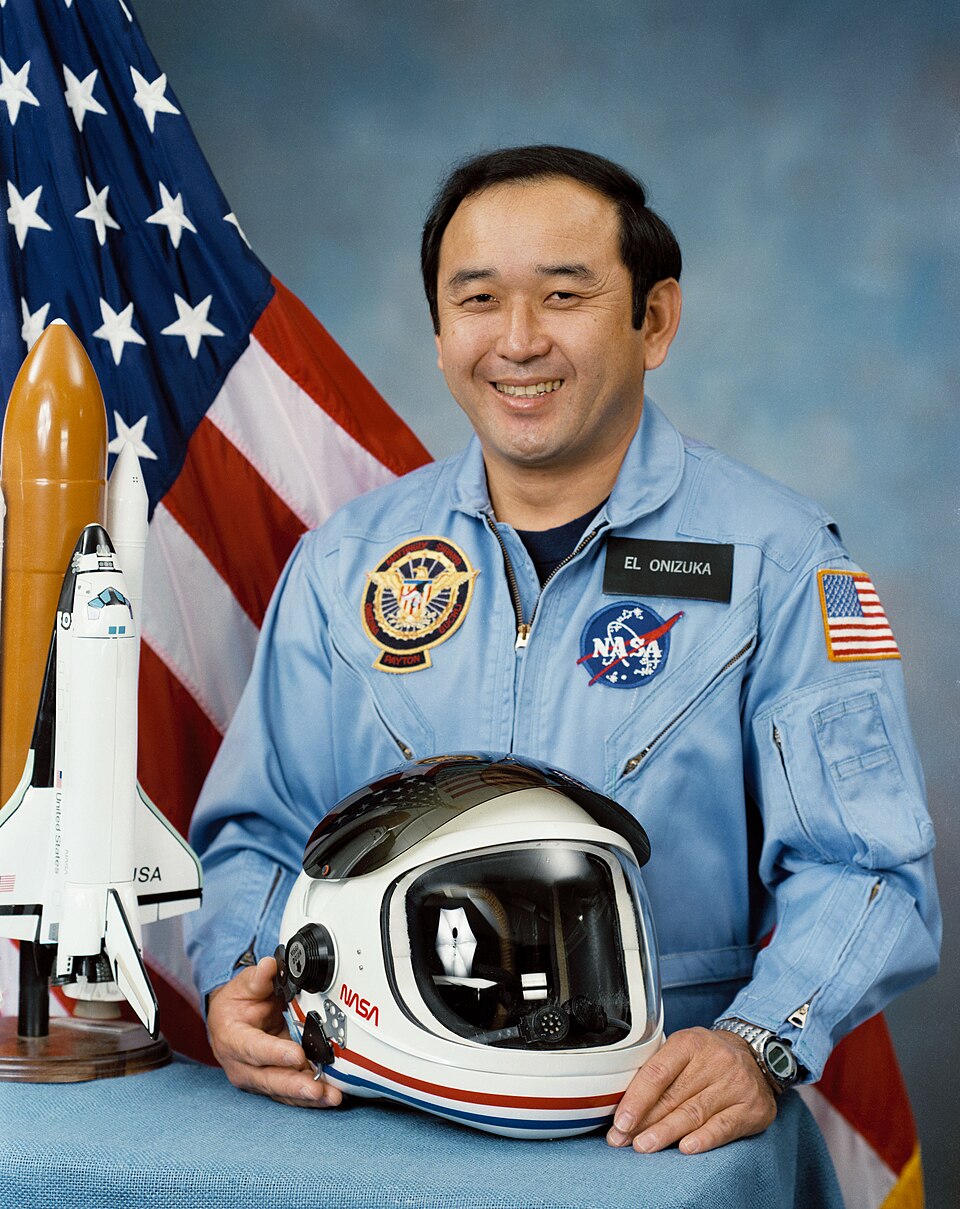
Ellison Onizuka used tests

Ellison Onizuka was a Japanese American engineer and astronaut. Before going into space, he helped test aircraft in California. An aircraft is a machine that can fly. A test helps us learn about a design. Your tabletop tool has a different job from an aircraft. Show two designs for your tool. Test both in the same way. Keep what you find. Use those results to choose a change.

Ellison Onizuka in a white space suit, holding a helmet for an official portrait.
Ellison Onizuka was an engineer and a NASA astronaut.
Ellison Shoji Onizuka. NASA, S86-25964; public domain.
Image source · Public domain (United States)

Two designs and what my tests showed. Show your tool’s job. Draw or tell one result from each design.

Sources for this card

Grade 2 · Source card

Ellison Onizuka tested designs

Ellison Onizuka was a Japanese American engineer and astronaut. Before going into space, he worked on flight tests for aircraft in California. Testing helps people learn about a design. Your tabletop tool has a different job from an aircraft. Show two possible designs for your job. Test both in the same way. Keep the results. Use your evidence to choose a change.

Ellison Onizuka in a white space suit, holding a helmet for an official portrait.
Ellison Onizuka was an engineer and a NASA astronaut.
Ellison Shoji Onizuka. NASA, S86-25964; public domain.
Image source · Public domain (United States)

My design and test record. Compare the two designs using repeated test records; explain one controlled condition and one evidence-based improvement.

Sources for this card
Set up the test

Gather reused card and paper · tape · six chosen reusable building pieces · optional flashlight or quiet tapper · earlier investigation records

Safety An adult approves the problem and materials. No heat, electricity from outlets, sharp tools, flashing lights, or loud sounds. Aim any flashlight at a surface, never eyes.

  1. Ask a helper about one real need, like a steady stand or a quiet signal. Watch the problem happen.Adult: Write down what the helper asks for. A signal should work across two meters.
  2. Choose your criterion. Sketch two fixes that use six pieces or fewer. Label the useful shapes.Adult: Old science records count as one more source.
  3. Build both. Test each three times the same way. Record what worked and how much material you used.Adult: For signals, agree on “ready” and “wait.” Mix them in an order the receiver does not know.
  4. Improve one part and test again. Pick a design using the need and the results.Adult: If the child used biomimicry, ask how the animal’s outside part shaped the tool.

Try the model

A model to try after your real test.

Getting the model ready…

Grade 1 Social Studies book, p. 121Grade 1 Science book, p. 110Grade 2 Social Studies book, p. 126Grade 2 Science book, p. 141

Session 3: Record and make — Make a decision and explain it

Make a decision and explain it

Your home team will try two ways to make rules. Then you will use evidence to pick a design.

  1. Everyone votes on a rule for keeping things safe. Then elect a representative. That person asks everyone and picks the test order.Adult: Say who made each final rule. Both are small practice runs, not real government. No one has to answer out loud.
  2. Give each design a fair turn. Use the helper’s words and your tests. Name a good point, a cost, and what you are not sure of.
  3. Show your sketches, results, and change. Name a group near you, and the United States and Canada from Week 30.

Connect the ideas. What changed your mind? Was it a vote, a person’s need, or a test result?

Look closely

Tap a picture to make it big. Zoom in and find the clues.

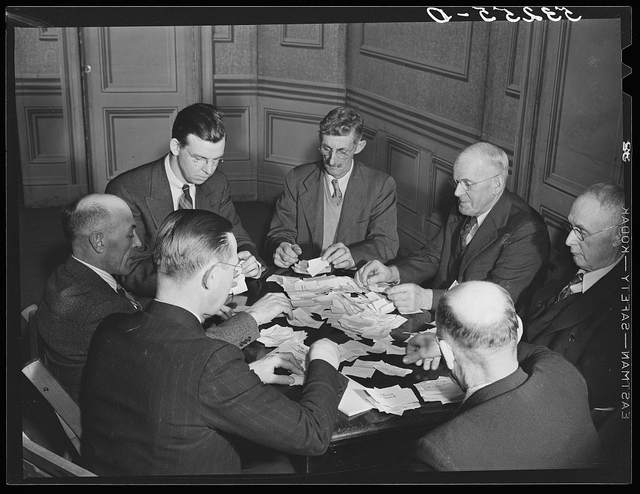
Primary source · photographTown meeting, Woodstock, Vermont, March 1940Marion Post Wolcott, U.S. Farm Security Administration / Office of War Information · Public domain
Primary source · photographWind tunnel test, NACA, 1948NACA (now NASA) · Public domain

Field trip

Visit with a grown-up. These open other websites in a new tab.

Grade 1 Social Studies book, p. 122Grade 2 Social Studies book, p. 127Grade 2 Science book, p. 142

My evidence page: Our useful design case

Show the problem and two sketches of shape and job. Show your test results and one change. Tell what evidence backs your choice.

  • 1Need and two plans
  • 2Tests, change, and choice

3Choose and explain · Checkpoint game

Listen, then choose. Finish the game to earn this week’s stamp.

The game needs JavaScript turned on.

For the adult · what each grade shows

Grade 1

Show who made the rule each time, and which design worked better in your tests.

Grade 2

Explain your design choice using the helper’s need and your test results.

Showing the Grade 1 line for your book.

Showing the Grade 2 line for your book.

Take a photo of the evidence page or the test. Add your child’s own words. It stays on this device.

Add to my portfolio

Parent corner

How to run this week, in a few minutes.

At a glance

Time

From the workbook: Read and notice about 20 min · Investigate 20–30 min, plus short checks · Record and make 20–30 min.

Core

Try two ways to make a rule, and test two designs against a real need.

Materials
  • reused card and paper
  • tape
  • six chosen reusable building pieces
  • optional flashlight or quiet tapper
  • earlier investigation records
Safety

An adult approves the problem and materials. No heat, electricity from outlets, sharp tools, flashing lights, or loud sounds. Aim any flashlight at a surface, never eyes.

Short week

Read together, then do Investigate steps 1–3. Record your tests. If you skip rule-making and improvement, note it as “not yet” for your teacher. If you skip local-group cooperation and United States–Canada water-agreement recall, note it as “not yet” for your teacher (unless you already have this evidence from an earlier week).

Next week

Credit optional science-domain targets only for their complete actions; one light signal alone does not satisfy the school’s light-and-sound target.

Library books

  • Grace for President by Kelly DiPucchio. A school election shows one way a group makes a choice.
  • The Boy Who Harnessed the Wind: Picture Book Edition by William Kamkwamba and Bryan Mealer. A boy builds a windmill and tests it against a real problem.
Answer key (for grown-ups)

Talk together

  1. Why should the team get the facts first, and then vote?
    Information reveals actual needs and trade-offs that preferences alone may miss. A quieter or simpler design can be more useful; no one must tolerate an uncomfortable sensory test.
  2. Sometimes all of us vote. Sometimes one person makes the rule for us. How are these two ways not the same?
    Direct voting has all participants decide the rule. In the representative simulation, participants elect someone who gathers views and decides. Have children identify both examples from their actual activity.

What to expect in the investigation

Results depend on the chosen problem. Keep equal loads, scrap arrangements, or signal distances. Test three times per design and retain the first version’s record. A redesign may fail; an accurate explanation of that result is valuable evidence. Liking a color would not tell if a stand is steady. Choose one problem and two possible fixes, draw shapes before building, and keep conditions the same in both tests. Count successes, measure something useful, or make a clear record. Keep first results; they show how evidence improved the design.

Checkpoint question

Choice C. Reteach that a test must measure the job the object is meant to do.

Kindergarten this weekSocial Studies: Alike and different placesScience: Build, test and compare